Prenatal Chiropractic Care in Jacksonville, FL
Full Swing Healthcare offers prenatal chiropractic care in Jacksonville throughout all three trimesters. Safe, drug-free relief from back pain, sciatica, and pelvic discomfort.
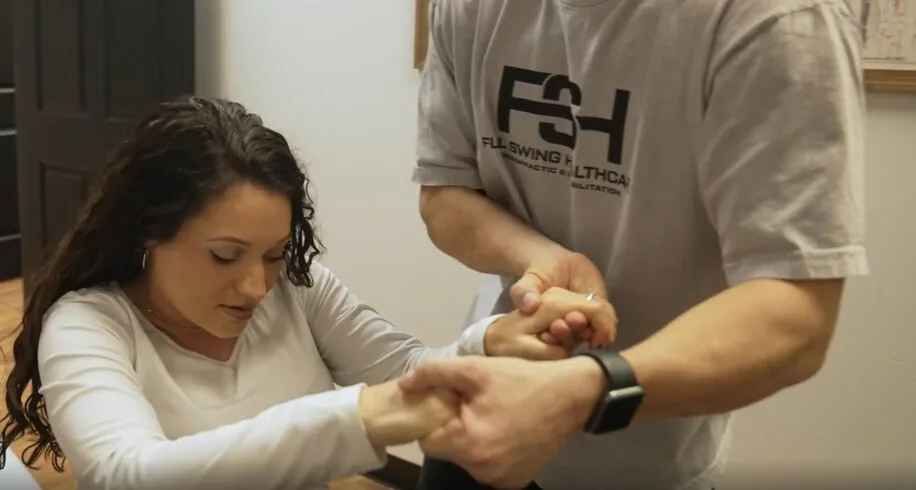
Prenatal Chiropractic Care in Jacksonville, FL
Dr. Muren has treated pregnant patients at every stage, including patients in their final days before delivery. No prone positioning. No high-velocity thrust into the lumbar spine. Webster technique for pelvic balance, Activator and modified drop-table for lumbar and SI joint work. Safe, effective, and structured around the demands each trimester creates.
The Mechanics Are Predictable. The Pain Doesn’t Have to Be.
By the third trimester, the average woman's center of gravity has shifted four to five inches forward from its pre-pregnancy position. To compensate, the lumbar spine increases its lordotic curve. The pelvis tilts anteriorly. The hip flexors shorten. The gluteal muscles are stretched and inhibited. All of this happens gradually over nine months while the relaxin hormone, released to prepare the pelvis for delivery, simultaneously loosens every ligament in the body, not just the ones in the pelvis. The result is a lumbar spine that is working harder than normal while being supported by softer, less stable connective tissue.
Add to that the altered sleep positions, the change in walking mechanics, and the progressive weight increase, and it becomes less surprising that 50 to 80 percent of pregnant women experience back pain during pregnancy. What is surprising is how many are told there's nothing to be done except wait until delivery. There is something to be done. It just isn't medication.
Dr. Muren has treated pregnant patients at every stage, including patients in their final days before delivery. The techniques are modified completely for pregnancy. No prone positioning. No high-velocity thrust into the lumbar spine. He uses the Activator instrument, side-posture adjustments with specialized pregnancy pillows that accommodate the belly comfortably, and modified drop-table work. The goal is restoring pelvic balance, reducing lumbar compression, and giving the nervous system the space it needs to function properly, all of which matter for both comfort during pregnancy and mechanics during labor.
Pregnancy Conditions We See Regularly
Low back pain and lumbar compression are the most common presentations. As the uterus grows, the L4/L5 and L5toS1 segments bear progressively more compressive load. The combination of increased load and relaxin-softened ligaments makes these segments hypermobile and painful. Gentle adjustments restore normal segmental motion and reduce the compressive irritation on the surrounding facet joints and nerve roots.
Sciatic nerve pain during pregnancy typically comes from one of two sources: piriformis compression as the pelvis widens, or direct nerve root irritation at L4toS1 from the increased lumbar load. Distinguishing between them matters because the treatment differs. Dr. Muren identifies which pattern is driving the symptoms and treats accordingly, often combining pelvic adjustments with cupping on the piriformis and gluteal complex.
Sacroiliac joint dysfunction is nearly universal in the third trimester. The SI joint, normally one of the most stable joints in the body, becomes hypermobile under relaxin. The instability generates pain with walking, rolling over in bed, climbing stairs, and prolonged standing. Stabilization-focused adjustments and soft tissue work around the sacrum and iliac crests address the dysfunction directly. Round ligament pain, pubic symphysis pain, and upper back pain from the breast weight and postural compensations are also common presentations we treat throughout pregnancy.
Your First Prenatal Visit at Full Swing
Your first visit is 45 to 60 minutes. We review your obstetric history, your current trimester, your specific pain patterns, and any restrictions from your OB or midwife. If there are contraindications we need to work around, we coordinate with your provider. In Florida, no referral is required to see a chiropractor, but we welcome provider communication and will send notes if requested.
Most prenatal patients are seen every 2 to 4 weeks in the first and second trimester. Third trimester frequency often increases to weekly, particularly for patients with severe pelvic girdle pain or sciatic symptoms. After delivery, many patients transition directly to postpartum chiropractic care. The two phases are clinically connected, and having the pre-delivery baseline on file makes the postpartum assessment more useful. Babies are welcome at all appointments.
The Webster Technique and How We Work During Pregnancy
Prenatal chiropractic care in Jacksonville, FL at Full Swing Healthcare is built around techniques that are both safe and appropriate for every trimester. The Webster Technique is the most widely recognized chiropractic analysis and adjustment method for pregnant patients. It was developed to assess and correct sacral misalignment and reduce tension in the round ligaments and intrauterine ligaments. When the sacrum is misaligned, it can limit the space available to the developing baby and create torsion in the uterine ligaments that contributes to the pelvic pain and sciatica that are so common in the second and third trimesters.
Round ligament pain is one of the most common pregnancy complaints Dr. Muren treats. The round ligaments run from the uterus to the groin and are put under progressive tension as the uterus grows. Many pregnant patients describe it as a sharp pain in the lower abdomen or groin when they stand up quickly, cough, or roll over in bed. Gentle release work targeting the round ligament attachments at the anterior iliac spine provides noticeable relief. It is a quick treatment that patients respond to almost immediately.
Symphysis pubis dysfunction, also called SPD or pelvic girdle pain, is another condition we treat regularly during pregnancy. The pubic symphysis joint, normally very stable, becomes hypermobile under the influence of relaxin. Patients describe a painful grinding sensation in the front of the pelvis with walking, stairs, or separating the legs. Gentle stabilization-focused adjustments to the SI joints and pubic symphysis, combined with soft tissue work on the adductors and hip flexors, reduce the instability and the pain that comes with it.
No prone positioning is used at any point during pregnancy care. All treatment is done in side-lying or supported supine positions with specialized pregnancy pillows. For patients in the third trimester, the treatment table is adjusted so no pressure is placed on the abdomen. The adjusting techniques used are lower force than standard care. The Activator instrument and modified Thompson drop-table technique are the primary tools, with manual side-posture adjustments used when appropriate based on the patient's comfort and presentation.
Is Chiropractic Care Safe During Pregnancy
Chiropractic care during pregnancy has a strong safety record. The American Pregnancy Association recognizes chiropractic as a safe option for managing musculoskeletal pain during pregnancy. No high-velocity lumbar or pelvic thrusts are used. No X-rays are taken during pregnancy. The techniques are modified to avoid any stress on the uterus or developing baby.
Most OBs and midwives in Jacksonville are familiar with prenatal chiropractic care and have no objection to their patients receiving it. If your provider has specific restrictions, we work within them. We send progress notes to OBs and midwives who want them, and we flag any clinical findings that may be relevant to your obstetric care. Communication with your prenatal team is part of how we work, not an afterthought.
Patients sometimes ask whether chiropractic care can help position a baby who is breech. The Webster Technique is not a baby-turning procedure. What it does is reduce the pelvic imbalance and soft tissue tension that can restrict fetal movement. When pelvic mechanics are improved, the baby has more freedom to move into an optimal position on its own. The research on this outcome is encouraging but not conclusive, and we are honest with patients about that distinction.
Ready to Come In?
Same-day appointments available. 13770 Beach Blvd #4, Jacksonville, FL 32224.